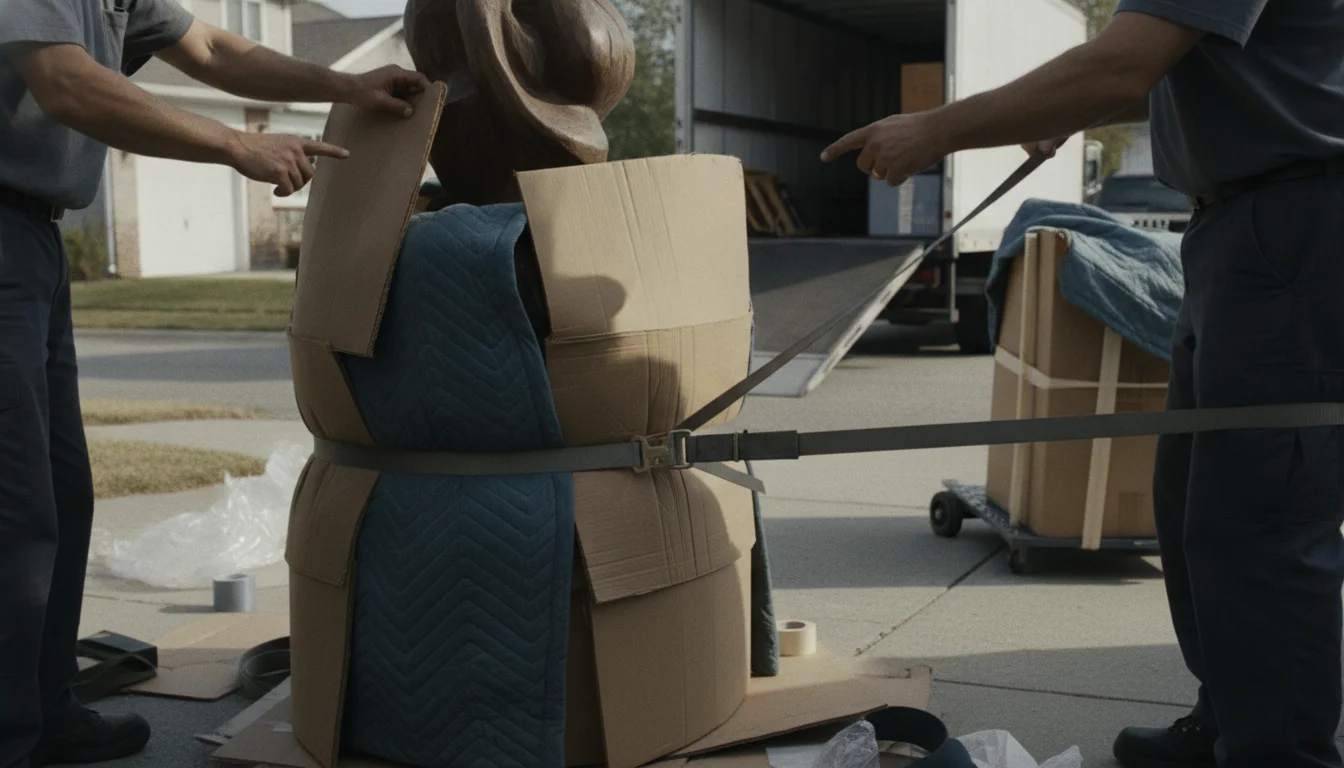
The door clicks at sunrise. Coffee in hand, you scan each room and feel that mix of nerves and optimism. Today is the day. With a clear plan, you will know what to do first, what to set aside, and how to guide the crew. A day of moving checklist—also called a day‑of moving checklist—is a simple, written sequence for the big day. It lists tasks in order so your move stays safe, efficient, and on schedule.
Executive summary: This guide lays out exactly how to run moving day from first walk‑through to last box, including packing the final items, staging for load‑up, protecting floors and elevators, and handling hiccups. It follows what Asheville Movers does in real Asheville moves so you can stay calm, direct the team clearly, and get settled faster.
Key Takeaways
- Know your plan, point out what’s going and what’s not, and keep must‑haves in a do‑not‑pack zone.
- Protect floors, walls, and elevators; secure legal parking or permits before the truck arrives.
- Label boxes clearly by room and contents; use color tape and a simple box list for speed.
- Stage heavy and fragile items safely; strap tiers inside the truck for a steady ride.
- Document issues right away and follow the claim steps in your paperwork.
Asheville Movers works across Asheville every week, so this guide mirrors the real flow of a home or office move in the U.S. It keeps things light, clear, and kind. You will see what to confirm, how to pack last things, and what to do if something goes wrong. Use this day of moving checklist with Local Movers, Apartment Movers, or Loading & Unloading Help, and your day will feel calm and organized.
Table of Contents
- Your day of moving checklist at a glance
- Final prep before the truck arrives
- Last-minute packing and smart labeling
- Loading strategy: how pros stage, pad, and stack
- Move‑out wrap: utilities, keys, and a quick clean
- Arrival at your new place: unload and first setups
- When things go wrong: delays, damage, or access issues
Your day of moving checklist at a glance
A smooth move starts before the truck pulls up. Keep your plan short and specific. Confirm who is coming, what time they arrive, and exactly how they will access your door. A quick review of your box counts, large items, and any special handling will save time. Note if you have stairs, an elevator, or tight hallways. Share this early so the crew shows up with the right gear. Use this day of moving checklist as your roadmap.
Begin with a short walk‑through. Point out rooms, big furniture, and fragile items. Confirm what is going and what stays. If you have a do‑not‑pack zone, show it now. Keep meds, ID, keys, and chargers in that spot. If you need help with heavy items, ask the team to map a safe path. Furniture Movers can protect wood, glass, and soft goods with pads and wrap to reduce risk in tight turns.
Have your paperwork ready. The bill of lading is the written record of your move with services and basic terms. Valuation is the level of coverage for your items if damage occurs—know the option you selected. Keep your order number handy. A quick check keeps the day on track.
Write down key contacts. Note the building manager, elevator hours, and any access codes. If you need a certificate of insurance (COI) for a building in Asheville, request it in advance. Some buildings require this for elevator use, and missing it can delay the day.
Do one last count of boxes and big items. A simple tally helps catch misses later and shapes your unload plan. Share any timing needs, like a pet pickup or school run. Good planning respects real life.
Confirming inventory, access, and paperwork before the first box moves
- Make a quick list of rooms, box counts, and large items.
- Share gate, elevator, or loading dock rules.
- Keep your bill of lading and ID in reach.
- State any high‑value or fragile items.
- Confirm who signs at pickup and at drop‑off.
Final prep before the truck arrives
Protecting your old space prevents stress and saves time. Lay down floor runners near doors. Cardboard sheets help on tile or wood. Pad corners on tight turns with towels or old rugs. If you live in a building, check elevator pads—some buildings provide them. If you need to reserve the elevator, do that the day before.
Think about parking. Can a truck park near your door? Place a car or cones to hold a spot if allowed. In some cities, short‑term permits are required. Ask your city office or building in Asheville what is needed. If the crew must carry far, the day takes longer. Short, safe paths are best.
Create a do‑not‑pack zone. Pick a counter or small table in a low‑traffic spot. Put your keys, wallet, ID, meds, glasses, phones, chargers, snacks, and pet gear there. Add a folder with lease papers or closing docs. Mark the area with a big sign that says “Do Not Pack.” This keeps life’s must‑haves close.
Next, pack an essentials box. This is a small box or tote you open first at the new place. Include sheets, pajamas, a towel per person, basic plates, two mugs, simple tools, light bulbs, a power strip, and toilet paper. Add a small first aid kit and trash bags. Label the box “Open First.” Keep it with you if possible.
If you manage an office move, do a server and power check. Back up key drives and label cords. Commercial & Office Movers can pack IT with care and keep gear paired. Use zip bags for small parts. Note who will be on site to guide unload. A simple floor plan helps direct placement.
Protecting floors, walls, elevators, and securing parking or permits
- Lay runners or cardboard near doors.
- Pad corners and railings on tight turns.
- Reserve the elevator if your building allows.
- Hold a nearby parking spot if legal and safe.
- Ask about permits if street parking is tight.
Setting a do‑not‑pack zone and packing the essentials box
- Choose a safe surface for must‑haves.
- Pack first‑night clothes and basic kitchen items.
- Add tools, bulbs, and a power strip.
- Label it “Open First” and keep it close.
Last-minute packing and smart labeling
As the clock ticks, close out rooms in a calm order. Finish the kitchen first. Dry dishes and pack the last pans. Wipe counters and empty the fridge and freezer. Use a cooler for cold items you plan to keep. Toss open liquids that can spill. Seal food in bags to reduce odors.
Wrap dishes the right way. Use small boxes. Cushion the bottom with crumpled paper. Pack bowls on their rims, not flat. Stand plates like records with paper between each. Glasses and mugs need paper inside and around. Fill gaps so nothing shifts. This helps if the road gets bumpy; it’s the same method used for shipping fragile kitchenware.
Bedrooms come next. Strip beds and bag sheets and pillows. Keep one set in the essentials box. Pack clothes last if you need them that day. Toiletries go in a small tote you can carry. Keep a charger with each family member or staff person. Label laptops and cords.
Smart labels make unload fast. Use large, bold room names on the top and two sides. Add a short content hint like “Pots & Pans” or “Toys.” Use color tape for each room. Keep a simple list that matches box numbers to rooms and notes. It helps if any labels rub off. Apartment Movers and Local Movers move faster when boxes are clear.
Color-coding, room tags, and box numbering for faster unload
- One color per room.
- Big, bold labels on top and two sides.
- Short content hint for quick finds.
- Box numbers tied to a simple paper list.
Closing out the kitchen, bedding, toiletries, and personal devices
- Pack dishes upright with paper between.
- Bag sheets and save one set per bed.
- Keep toiletries and meds with you.
- Label chargers and cords by person or desk.
Loading strategy: how pros stage, pad, and stack
Pros stage items near the door in safe groups. Light boxes go on stable stacks. Heavy items ride low and near the front of the truck. This spreads weight and keeps the truck steady. Fragile boxes stay on top. Odd shapes get stretch wrap or pads so they do not snag.
Furniture gets wrapped before it leaves the room. Sofas and chairs wear pads and wrap to guard fabric. Dressers and desks get drawers secured. Beds break down and hardware goes in a labeled bag taped to the frame. Rugs get rolled and tied. This step takes a bit of time but prevents damage.
Stacking is like a puzzle. Boxes of the same size make strong walls. Pros fill gaps with soft items like pillows. They strap rows so nothing shifts. The goal is a tight, safe ride. If you see an item that looks at risk, speak up. A friendly note is welcome. The team wants a safe load too.
If you hired Loading & Unloading Help only, stage your boxes near the door in the order you want them out. Put the heaviest items closest to the exit. Keep the path clear of shoes and rugs. Pets and kids should stay in a safe room.
Sequencing heavy, fragile, and odd-shaped items safely
- Heavy and solid items low and forward.
- Medium boxes in the middle rows.
- Fragile boxes on top, never under weight.
- Odd shapes wrapped and braced.
- Strap each tier before starting the next.
What to say and do if something looks at risk
- Point out loose parts or weak seams.
- Ask for extra pads or a strap.
- Suggest a different spot if a stack leans.
- Confirm that fragile labels face out.
Move‑out wrap: utilities, keys, and a quick clean
When the last box leaves, do a final sweep. Check closets, cabinets, and the backs of doors. Look under sinks and behind the laundry. Open each window to see if anything sits on the sill. A small flashlight helps with dark corners. Take a slow lap and close each room as you go.
Read your meters if the home has them. Snap clear photos of gas, water, and electric meters with the display in view. This gives you a time‑stamped record. For rentals, photograph each room to show the condition. Include walls, floors, and appliances. These photos help with a smooth handover and protect your deposit.
Leave keys and any fobs or passes as your lease or sale papers state. If an HOA asks for forms or move logs, complete them now. A light clean helps the next person and keeps you in good standing. Wipe counters, sweep floors, and empty trash. In buildings, check elevator walls and halls for scuffs. Report any marks to the manager.
If you hired Furniture Movers for a partial move, confirm that the reserved items stayed. Mark “Do Not Move” items early and often. Check that any wall mounts or TV brackets are removed as agreed. Fill small nail holes if required by your lease.
Reading meters, photographing condition, and documenting handover
- Photograph gas, water, and electric meter dials.
- Take room photos after the last box leaves.
- Leave keys, fobs, and garage openers per your agreement.
- Note any damage and who you informed.
Leaving the property compliant for landlords, buyers, or HOA rules
- Review move‑out rules and hours.
- Protect common areas during the move.
- Clean touch points and floors.
- Return parking passes or stickers.
Arrival at your new place: unload and first setups
Before the truck doors open, place door labels and a simple floor plan at the entry. Tape room names at each door: Primary Bedroom, Kids’ Room, Office, Kitchen, and so on. This guides the crew without constant questions. Point out where heavy items should land. Show wall outlets and rug spots.
Start with beds. Rebuild frames and add slats and hardware. A made bed turns chaos into calm. Next, place the sofa and TV stand so boxes can stack around the walls. In the kitchen, set the fridge in place and plug it in. Keep clear paths in each room.
Open the essentials box. Lay out towels and soap in the bathroom. Set up a power strip and charge phones. Put a lamp in each key room for light. Make a simple snack station with water and easy food. If you have kids or pets, set their area first so they feel safe.
Guide with kindness. Stand where you can see the door and point to labels as boxes arrive. Use room colors to direct traffic. If something lands in the wrong spot, no stress. It is easy to shift now while the team is still on site. Apartment Movers and Local Movers move faster when rooms are clear and tagged.
Directing placement with a floor plan and door labels
- Tape a simple floor plan near the entry.
- Label each door with large, bold signs.
- Use colors to match labels and rooms.
- Keep a central path open for safety.
Reassembling beds, connecting basics, and first‑night priorities
- Build beds and add one clean set of sheets.
- Plug in the fridge and key lamps.
- Set up phone chargers and Wi‑Fi if ready.
- Stock a bathroom with towels and soap.
When things go wrong: delays, damage, or access issues
Even good plans hit bumps. Weather can slow roads. Elevators can be busy. A lockbox might jam. Stay calm and start with clear notes. Write down the time, place, and what changed. Call the dispatcher or team lead and share the facts. Most hiccups have a quick fix.
If an item is scratched or broken, pause and take photos before moving it again. Photograph the box, packing, and the damage from two angles. Note the box label and number. Save all parts, even small ones. Tell the crew lead right away. Ask how to start a claim. A moving claim is a formal request to review and make right any covered loss under your chosen valuation. Follow the process in your paperwork.
Access issues need options. If the elevator is busy, ask for a schedule window. If a truck cannot park, look for a closer side street or a smaller shuttle vehicle. Some teams carry a smaller van for tight spots. If storms roll in, cover paths and pause for safety. No item is worth a slip or a fall.
If you need to change scope fast, Asheville Movers can often help within the Asheville area when schedules allow. Loading & Unloading Help can add hands for a long carry. Furniture Movers can handle a tricky stair. For offices, Commercial & Office Movers can re‑sequence unload to bring in workstations first and storage last.
How to document problems and start a claim the right way
- Photograph damage, packaging, and labels.
- Note times, names, and what was said.
- Keep parts and packing until the claim closes.
- Follow the steps in your paperwork.
Contingency plans for weather, elevator schedules, or timing slips
- Ask for elevator windows and backups.
- Hold a legal parking spot and a plan B.
- Cover floors and ramps in rain or snow.
- Prioritize beds and basics if time runs short.
Frequently Asked Questions
Q: How should I pack dishes and glasses so they do not break?
A: Use small, sturdy boxes with a cushion of crumpled paper. Wrap each dish and place plates on their edge like records. Fill glasses and mugs with paper, then wrap outside. Pack snug so nothing rattles, label FRAGILE, and keep them on top during loading.
Q: What belongs in my essentials box for the first night?
A: Pack pajamas, a set of sheets per bed, towels, basic toiletries, simple plates and cups, a small tool kit, light bulbs, a power strip, phone chargers, snacks, and pet needs. Label it OPEN FIRST and keep it within reach during the move for easy access.
Q: What should I do if the truck or crew is delayed?
A: Note the time and details, then call the dispatcher or team lead for an update and new ETA. Use the window to finish last‑minute packing, clear paths, reserve the elevator, and stage boxes. Focus on tasks that speed loading when the team arrives.
Q: How do I start a moving claim if something is damaged?
A: Photograph the item, box, and packing from multiple angles and keep all parts. Note the box number, label, and time found. Tell the crew lead and follow the claim steps in your bill of lading or move paperwork. Respond quickly to any forms requested.
Q: What should I do with moving boxes after unpacking?
A: Flatten clean boxes for reuse or offer them on local swap groups. Save a few for returns or storage. Recycle cardboard that is torn or damp. For foam and plastic wrap, check city rules. Many U.S. cities have drop‑off points or special pickup days.
Key takeaways
- A clear day of moving checklist keeps time, tasks, and safety in line.
- Protect paths, label well, and stage items for a steady load.
- Make beds first and plug in basics for a calm first night.
- Document issues fast and follow the claim steps in your paperwork.
- Keep must‑haves in a do‑not‑pack zone you control.
Conclusion
Moving day is busy, but it does not have to feel hard. With this day of moving checklist and smart prep, you can keep things safe and on time. Asheville Movers knows Asheville and can help with Local Movers, Apartment Movers, Furniture Movers, Commercial & Office Movers, or Loading & Unloading Help when you need extra hands. Asheville Movers is ready to make the big day feel manageable from first box to last room.
If you are unsure which moving service fits your day‑of needs, we can match your checklist and access details to the right team and timing for your move in Asheville.
If you are not sure which of these you are dealing with, it is worth having someone look at it before it turns into a bigger job. Get in touch with Asheville Movers today and we will tell you where you stand.